
-
LIN206: Language Business
This course introduces students to the commercialisation of language and linguistic knowledge. It explores language as an industry and examines how linguistic expertise can be applied across sectors such as healthcare, media, artificial intelligence, tourism, and security. The course emphasises innovation, entrepreneurship, and the development of viable language-based business ideas, culminating in proposal writing and pitching.
-
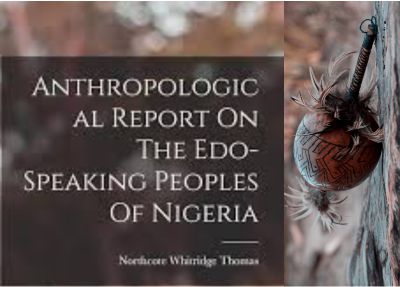
Thomas' Urhobo Collections
N. W. Thomas was a government-appointed anthropologist who travelled extensively, collecting anthropological data of the people of Southern Nigeria. His anthropological survey was funded by Sir Walter Egerton, governor of Southern Nigeria, from the protectorate’s budget. This project highlights his collections on the Urhobo People.
-

Emejulu Festschrift
This is a collection of well-researched scholarly essays in honour of Professor Obiajulu A. Emejelu, both to mark his end of tenure as the fourth substantive Executive Director of the National Institute for Nigerian Languages, Aba, Nigeria and to celebrate his contributions to diverse fields of knowledge.


© Philip O. Ekiugbo, 2026